In short
Ahara vidhi means the classical Ayurvedic rules for how to eat, based on eight factors that decide whether a meal suits you. Start with one or two simple habits, such as eating warm food without screens and sipping warm water, and add the others slowly.
Ayurveda cares as much about how you eat as what you eat. The classical guidelines for eating are called ahara vidhi, the rules of eating. They are simple, free and easy to start today. This guide walks through the framework and turns it into a practical daily routine.
प्रकृतिकरणसंयोगराशिदेशकालोपयोगसंस्थोपयोक्त्रष्टमानि
“The eight factors that decide how a meal is used: the food’s nature, its preparation, combination, quantity, place, time, rules of eating, and the person eating.”
— Charaka Samhita, Vimanasthana 1, verse 21
The classical framework
The Charaka Samhita (Vimanasthana, chapter 1) lists eight factors that decide whether a meal suits you: the nature of the food (prakriti), how it is prepared (karana), combinations (samyoga), quantity (rashi), place and climate (desha), time and season (kala), the rules of eating (upayoga-samstha) and the person eating (upayokta). The practical rules below come from this thinking.
The eight factors in everyday terms
- Nature of food: some foods are naturally heavy, like curd and urad dal, and some light, like moong dal.
- Preparation: cooking, spicing and soaking change how a food behaves in the body.
- Combination: some pairings are hard to digest together.
- Quantity: the right amount depends on your digestive strength.
- Place: local, regional foods usually suit local bodies.
- Time: season and time of day change what suits you.
- Rules of eating: the habits described below.
- The eater: your age, constitution and health.
Practical rules of eating
- Eat when you are hungry. Allow the previous meal to digest first, so that you do not eat on top of an undigested meal.
- Choose warm, freshly cooked food. Warm food is considered easier to digest and supports agni, your digestive fire.
- Eat a moderate quantity. Texts suggest leaving some room in the stomach rather than eating until you are completely full.
- Eat calmly. Sit down, avoid screens and arguments, and give the meal your attention.
- Do not eat too fast or too slowly. Chew well so that food is properly mixed before it is swallowed.
- Take water in small sips. Large amounts of cold water with a meal are traditionally discouraged.
- Avoid incompatible combinations. See our guide to food combining and viruddha ahara.
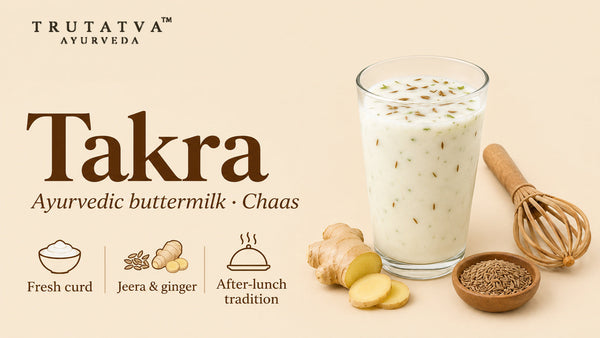
- Make lunch your main meal. Digestion is traditionally considered strongest around midday.
A sample day of mindful eating
- Morning: a glass of warm water, then a light breakfast only if you are hungry.
- Midday: the main meal, freshly cooked, eaten seated and unhurried.
- Afternoon: a small snack only if truly hungry, such as fruit or soaked nuts.
- Evening: a light, early dinner, such as khichdi or a thin soup.
- After meals: a short, gentle walk of a few minutes rather than lying down.
Matching the rules to your constitution
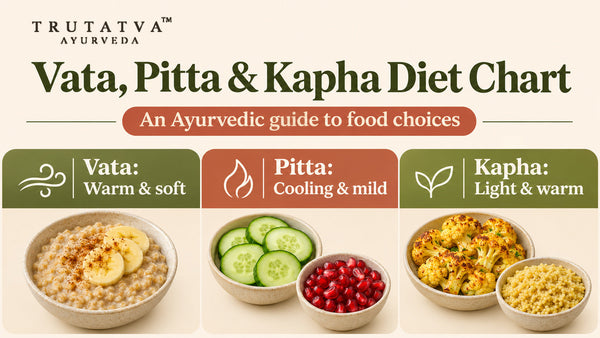
A person with strong Pitta digestion may feel hungry early and need regular meals. A Kapha person may do well with lighter meals and a longer gap between them. Vata types usually benefit from regular, warm, unhurried meals. These are traditional tendencies, not fixed rules.
Common mistakes
- Eating while working, scrolling or watching television.
- Skipping meals and then overeating later.
- Drinking iced water with hot food.
- Eating a heavy dinner close to bedtime.
- Eating again before the last meal has digested.
Frequently asked questions
Is it wrong to snack in Ayurveda?
Constant snacking is discouraged because the previous meal may not be digested. A light snack when you are truly hungry is not a problem.
Can I drink water with meals?
Small sips of warm or room-temperature water are generally fine. Very cold water in large amounts is discouraged.
Should I eat dinner late?
Traditionally it is better to have a light dinner early in the evening, giving the body time to digest before sleep.
How do I know if I ate the right amount?
You should feel light, comfortable and energetic afterwards, without heaviness, sleepiness or bloating.
Do I have to follow all the rules at once?
No. Start with one or two, such as eating without screens and sipping warm water, and add others gradually.
When to see a doctor
Caution: If you have diabetes, a digestive condition or an eating disorder, speak to your doctor before changing the way you eat. This article is educational and does not replace professional medical advice.
Sources: Charaka Samhita, Vimanasthana 1.21 (eight factors of a meal); Ashtanga Hridaya, Sutrasthana on dietary regimen; general educational references. Written by Nipa Katkoria, Trutatva.